
1.8.1 Case study - Community engagement in Vanuatu Petrel research
Peter Allen, Monash University, Australia
A team has been conducting research to clarify the conservation ecology of the Vanuatu Petrel (Qetlap), a gadfly petrel that is a breeding endemic to Vanua Lava, northern Vanuatu. This region is exceptionally remote, so to facilitate long-term conservation outcomes they are working closely with national and local government and remote communities to build monitoring capacity on Vanua Lava.
The team includes staff from the Vanuatu Department of Environmental Protection and Conservation (DEPC), who have been instrumental in managing community relations and launching the project in-country. As well as managing permitting, DEPC staff have accompanied every field trip to liaise with communities and participate in research activities. Benefits to this knowledge-sharing model include streamlining administrative processes,
deepening the ability of the team to meaningfully engage with communities, and building skills in contemporary seabird research within the DEPC. Departmental participation in the project has built in-depth knowledge of the Vanuatu Petrel (Qetlap) for future DEPC-led conservation efforts and contributed to skill development for wider application around Vanuatu.
This research is being conducted after a request of the Ventimboso community on Vanua Lava requesting research on the island’s seabirds to better understand their population size and ecology on-island, providing solid foundations for access to community lands, and bringing local people onto the team. Nonetheless, active participation in customary practices has been vital to establish the project. This has required close consultation with the DEPC to ensure that community expectations are being met (e.g. participation in kava ceremonies and giving and receiving gifts). This is especially important as the Vanuatu Petrel/Qetlap is culturally iconic,
and their breeding area, an active volcanic vent called Qwelraqraq, is a significant site for the community.

Figure 27. Field team at camp in Qwelraqraq, Vanua Lava. Photo: Monash University.
Knowledge of the importance of the Vanuatu Petrel was only gained after embedding in the local community prior to conducting research. The team spent eight days living in villages to engage in customary practices, leading to many informal conversations and meetings with community members. It was these less structured discussions that contained important insights and evoked more detailed questions about the species. Useful information was gained about historical Vanuatu Petrel harvests, the presence of invasive predators, and bird movements in this way, informing the research approach before any visits to the colony. Such an unhurried approach to engagement is important for success.
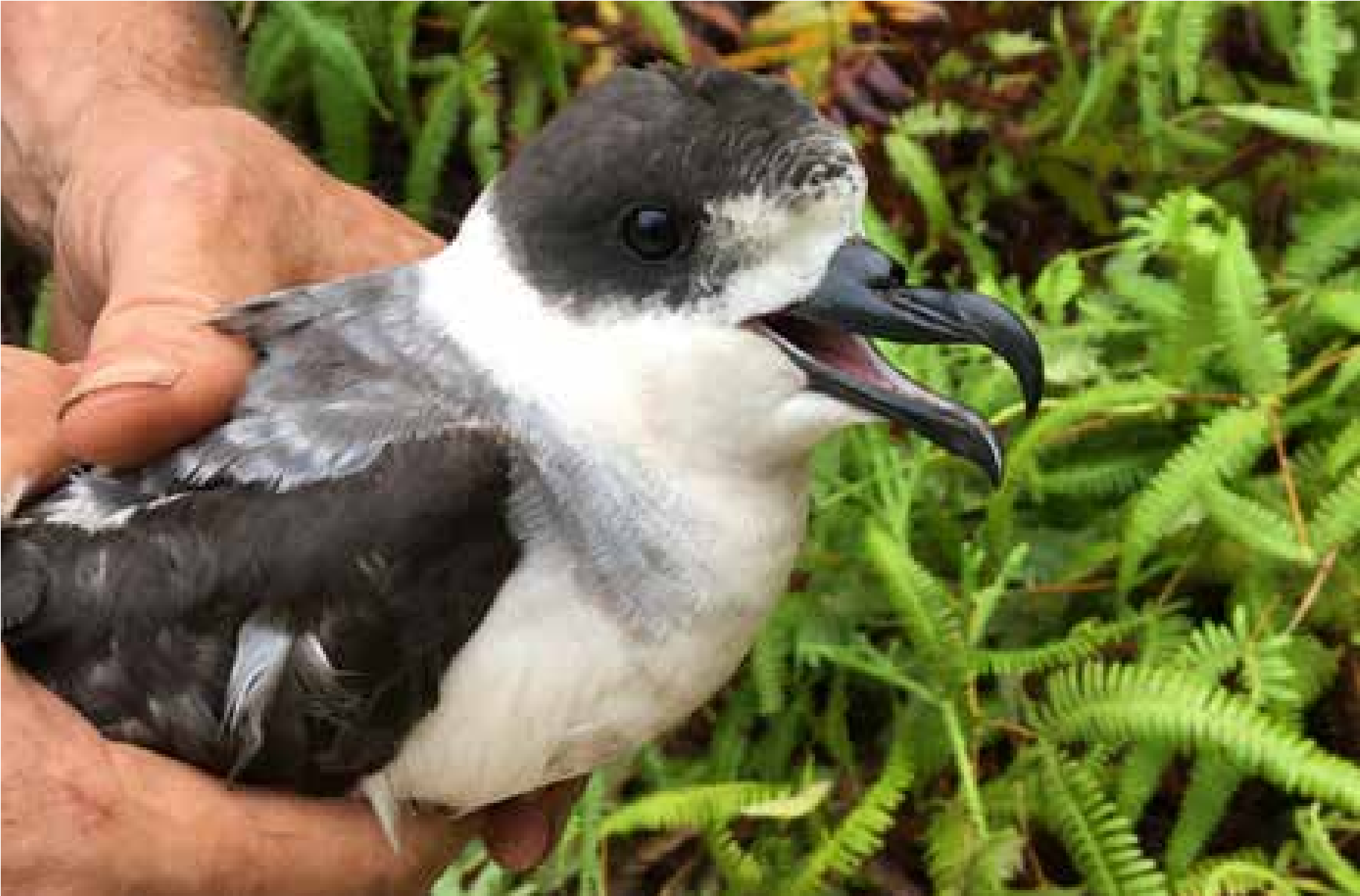
Figure 28. Vanuatu Petrel (Qetlap). Photo: Monash University.
Even spending substantial time in communities, the process of establishing good communication can be challenging. Language barriers, cultural differences, and limited forms of digital communication can all hinder open dialogue. This means mistakes can be made, such as important community members being omitted from conversations. When these missteps are identified, a proactive response to resolve them through direct communication is essential. Timely and transparent responses to miscommunications and misunderstandings are key to
successful long-term engagement.
Conversations in communities have been vital to identify local members for the project team and understand possibilities around implementing training and long-term monitoring led by local people. To date, a hybrid model has been implemented where local champions with specific interest in the birds or the research are employed to provide logistical field support for the project and participate in research activities concurrently to build technical familiarity. This process is characterised by two-way knowledge flow, with field skills (e.g. locating bird burrows in the environment) from local people complementing modern research approaches and
technologies provided by the international team members.
The core lesson garnered from the work on Vanua Lava has been the importance of identifying local needs and interests, and seeking to address those through research, in concert with addressing a priori study questions. For example, it is possible to support local tourism by recommending locations for development in remote parts of Vanua Lava, informed by the understanding of bird movements to minimise impacts from clearing, track opening, and nocturnal lighting. Another critical component to success in this approach has been the international team lead learning the local language to a conversational level, enabling direct
communication of project aims, activities, and outcomes. These lessons are informing ongoing engagement and training plans, by developing a communication model in collaboration with DEPC staff and community members to ensure that results and future plans can be widely disseminated in a way that is meaningful for local communities.