
3.7 Diet studies
Probably not relevant for Palau at this point.
The prey that seabirds eat and what they feed their chicks can tell us a great deal about their feeding ecology, marine food webs, and ocean variability. As bottom-up processes (e.g. prey availability, distribution, energetic content) can have a large influence on seabird life histories, understanding what prey they rely on, especially during breeding, is key to interpreting how fluctuations in the marine environment relate to changes in their physical health. Knowledge of prey and trophic relationships is also useful in assessing the threats posed to seabirds by fishing activities. Fishing can either directly impact seabirds through bycatch, or by indirect competition for food resources through largescale biomass extraction, and the flow-on effects that impact the availability of shared prey resources such as zooplankton via multispecies foraging aggregations.
The ability of seabirds to adapt to climate change will also vary depending on their foraging strategies as the distribution and availability of their prey changes. A better understanding of these potential changes is needed for forecasting climate impacts on seabird species. Minimally invasive techniques of assessing dietary niche, and dietary change over time (e.g., stable isotope analysis) are an important tool for seabird research and conservation.
Many methods are used to study seabird diet. Some are based on opportunism whereby samples are collected ad hoc, e.g. from watching food uptake directly, taking photographs, or by collecting dropped fish, regurgitated food, or faeces. Others take a more systematic approach through regular collections or sightings made within a specified time. Techniques vary greatly and range from inducing regurgitations to totally non-invasive and repeatable observations of fish-carrying birds. Indirect methods include observations of feeding flocks, analyses of faeces or regurgitated food remains, or blood, feather and tissue collection for stable isotope or fatty-acid analyses.
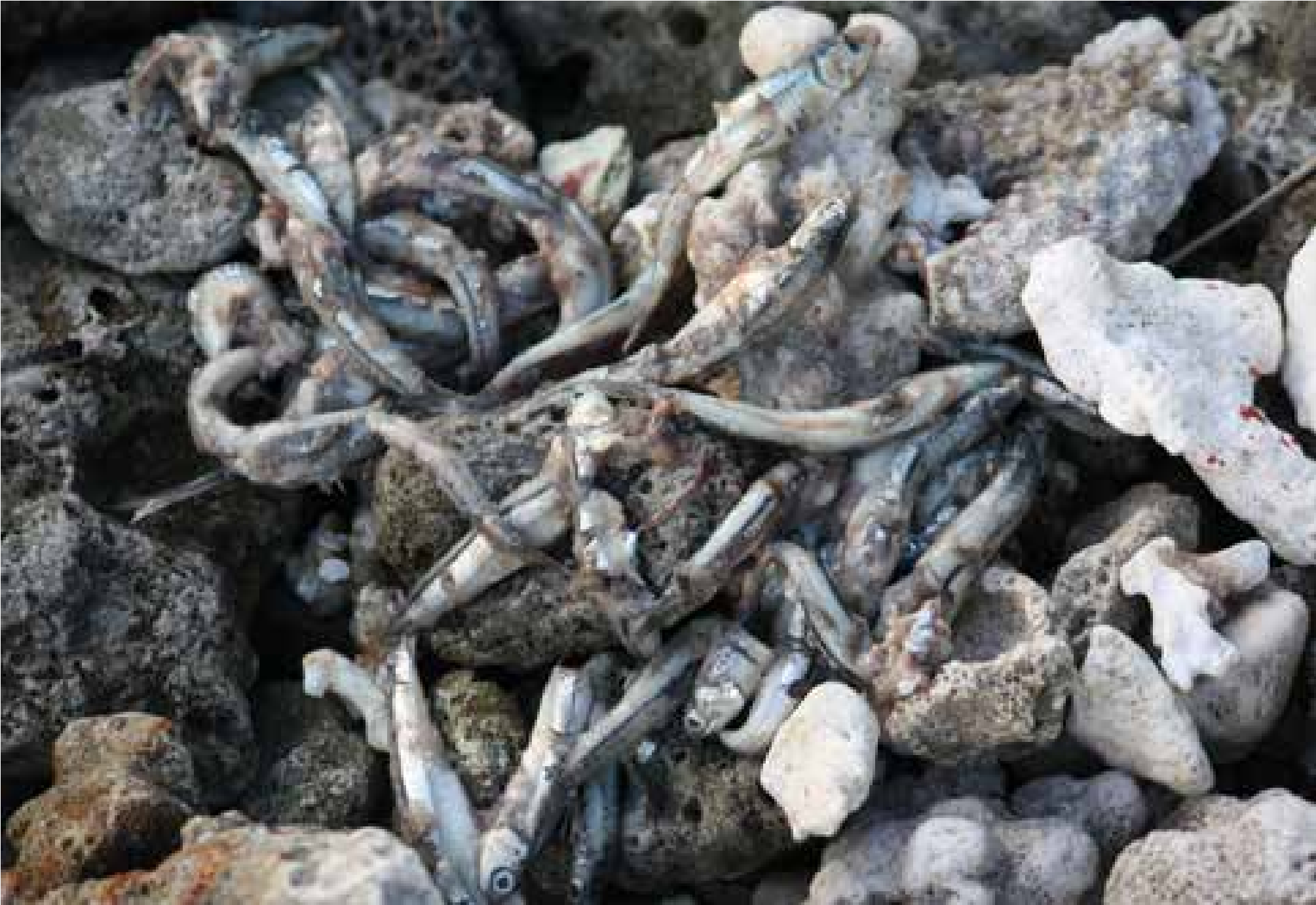
Figure 118. Opportunistic diet sample from a Brown Booby, a regurgitation made just before it took off from a low branch of a tree on the shoreline, Nukutolu Islets, Lau Group, Fiji. Photo: Chris Gaskin.
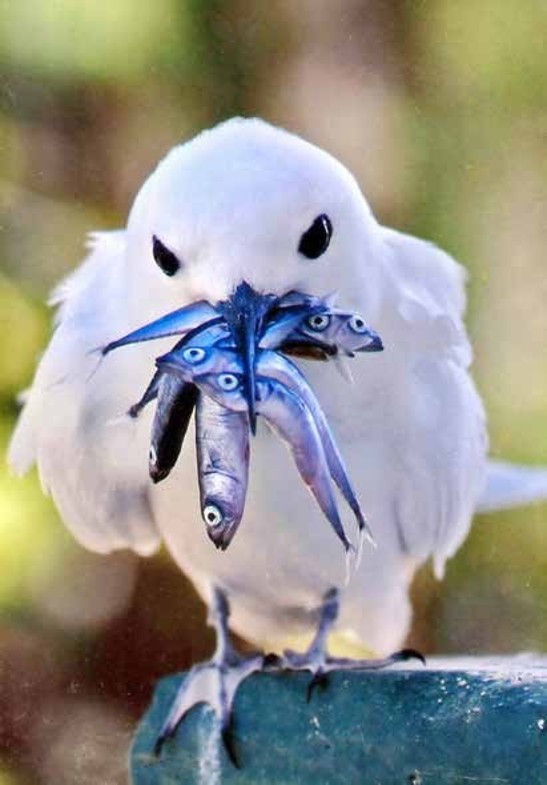
Figure 119. White Tern with a bill full of fish, Honolulu, Hawaii. Photographer unknown, but image use with publisher’s permission.
As with all the monitoring methods described in this manual, the choice will come down to what your monitoring programme is aiming to achieve; the need to clearly establish WHAT you want to survey and monitor and WHY (See Section 1.7). The bottom line will be a case of choosing according to your needs, budget, and the skills and capacity available to you.