
Part 1: Oceania seabirds
The goal of this manual is to encourage and support seabird research across Oceania through the adoption of proven methods and survey types, to provide readers with the tools required to run successful seabird survey and monitoring programmes. To further illustrate how these can be carried out we also include case studies - real world examples of active seabird research efforts. The in-depth knowledge, experience and expertise of people who have worked successfully on a species, groups of species or an ecosystem can be transferred to other projects elsewhere in the Oceania.
This manual is intended to be as comprehensive and accessible as possible. However, by using this manual you can pick and choose methods according to your needs, budget, and the skills and capacity available to you. You may find that the best way to initiate a seabird project is to start small and focussed, and then expand with additional methods, survey types and resources as your work develops.
No one needs to work in isolation, and we encourage the development of networks for improved communication, resource sharing, capacity building and further project development. Reach out to other experts in the seabird community to ask questions and explore emerging technology. This is not limited just to researchers but conservation managers, community representatives and others as appropriate.
The SPREP Seabird Action Plan1 recommended the establishment of a Pacific Seabird Advisory Group and a link to this is provided in the resources section (5.2) of this manual. With Oceania’s challenging locations, workers need all the help they can get to learn more about what works and what doesn’t to further the goal of ensuring that our seabirds persist into the future. But first, what are seabirds?
Sections in Part 1
1.2 Why survey and monitor seabirds
1.5 Traditional knowledge and customs
1.7 Key steps in developing a survey and monitoring programme
1.8 Working with Oceania communities
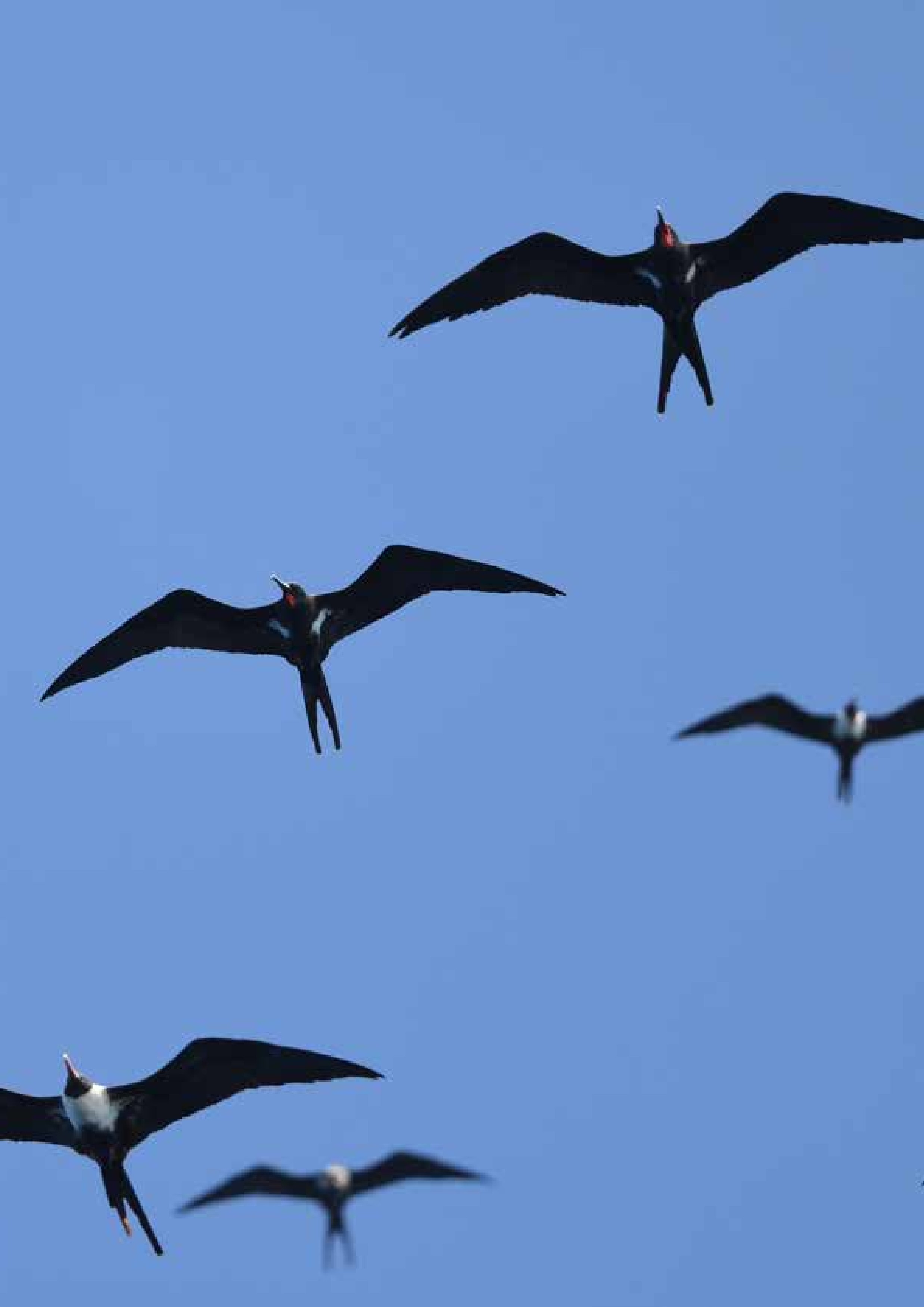
Lesser Frigatebirds, Kiribati. Photo: Hiroyuki Tanoi
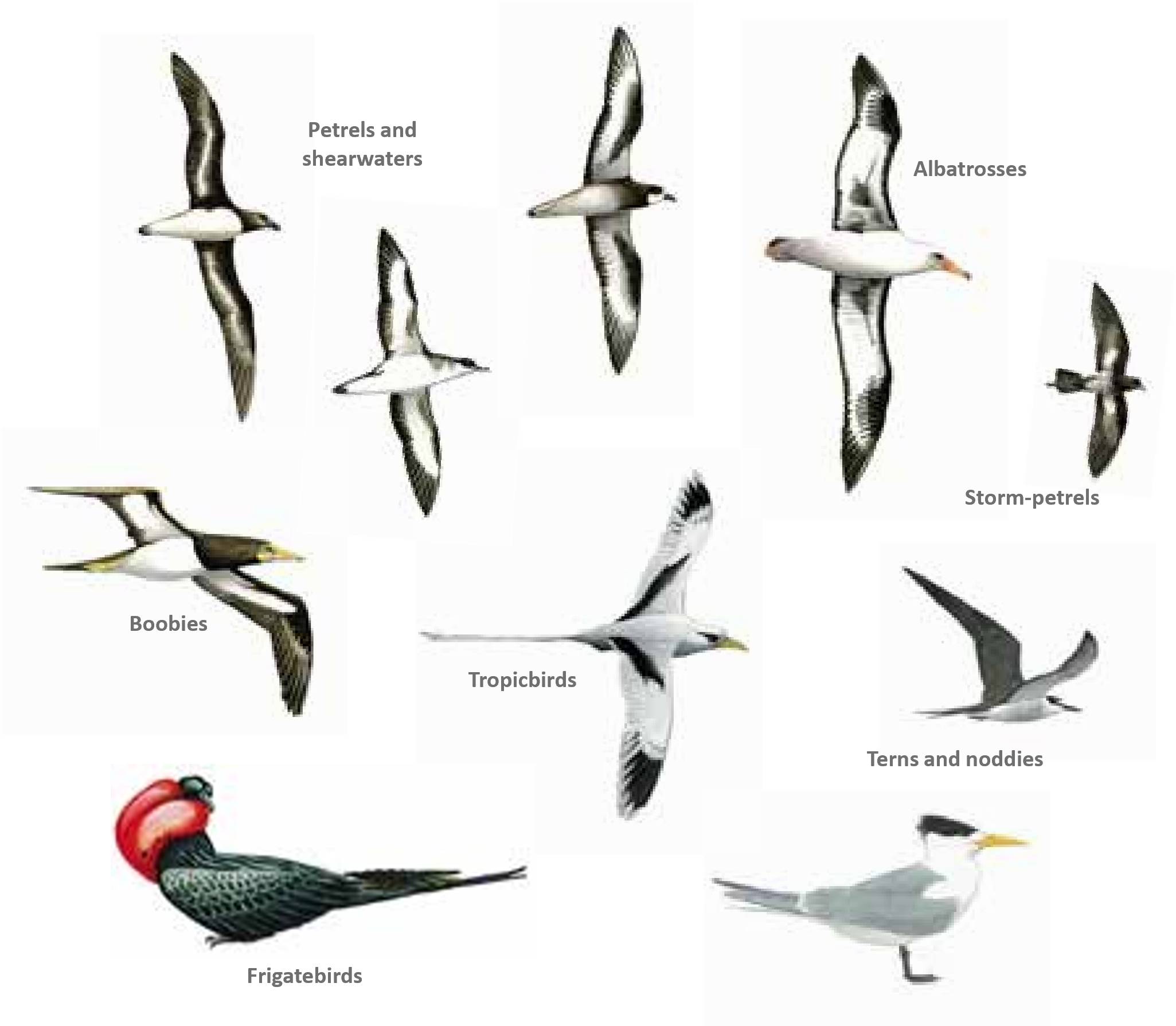
Figure 2. Main Oceania seabird groups. Artwork by Peter Harrison.2