
3.11 Seabird-transported nutrient monitoring
Probably not relevant for Palau at this point.
Alex Wegmann, Katie Franklin, Dana Sabine, Nick Holmes (The Nature Conservancy)
To improve our understanding and protection of the functional roles’ seabirds play in island and marine ecosystems, we need to measure the quantity (how much nitrogen (N) and phosphorus (P)) and fate (ecological interactions with N and P) of seabird-transported nutrients accurately and consistently. There are several methods for measuring the quantity and fate of seabird-transported nutrients, and each method has its strengths and limitations.
Combining multiple methods will provide a more comprehensive understanding of a given seabird nutrient transport scenario:
- Isotopic analysis: Visit the colonies and collect samples from seabirds, their guano, and from the surrounding environment (such as soil, water, and vegetation). Stable isotopes (e.g., nitrogen-15 and carbon-13) are analysed to trace nutrient sources and pathways. Isotopic composition helps determine whether nutrients in the ecosystem are derived from seabirds. For example, a study on nutrient cycling in montane forests used isotopic analysis to assess seabird impacts.
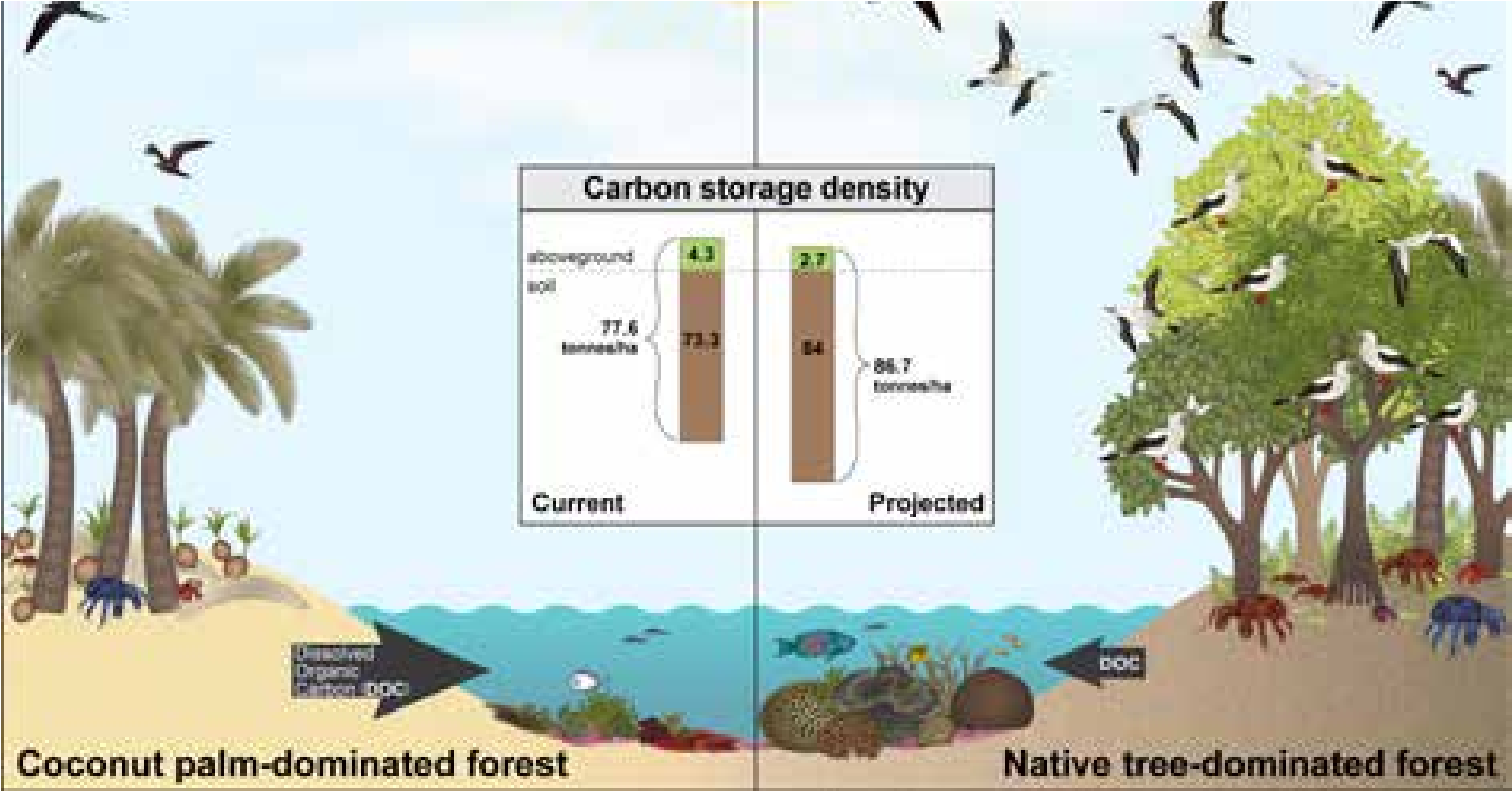
Figure 121. Conceptual illustration of study results and other anticipated transformation and realignment benefits (bars not to scale). Art: Adi Khan.
- Field surveys and sampling: Visit seabird colonies and collect samples from different habitats (e.g., soil, vegetation, water). Then measure nutrient concentrations (e.g., phosphorus, nitrogen) in these samples. Comparing nutrient levels between areas with and without seabirds provides insights into nutrient transport.
- Nitrogen and Phosphorus budgets: Nutrient budgets help estimate the contribution of seabirds to local nutrient availability. Calculate N and P budgets for seabird-influenced ecosystems by measuring inputs (e.g., guano deposition calculated from estimates of seabird biomass (abundance and distribution) and site occupation) and outputs (e.g., nutrient uptake by plants, phytoplankton, and corals). The net effect of seabird nutrient transport is determined by the balance between nutrient inputs and outputs.
- Experimental manipulations: Conduct experiments to directly test seabird nutrient effects. For instance, add guano to experimental plots and monitor changes in nutrient availability and plant growth. Control plots without guano provide a baseline for comparison.
- Isotope tracers: Isotopically labelled nutrients, e.g., nitrogen-15 (15N) can be used to track nutrient movement through an ecosystem and to identify temporal patterns associated with nutrient inputs.83
- Remote sensing and spatial analysis: Aerial imagery and spatial data analysis can be used to estimate the distribution and abundance of seabird colonies,84 and remote sensing can be used to measure primary productivity (chlorophyll-a) as an indicator of seabird-influenced nutrient distribution across landscapes.85
- Long-Term Monitoring: Regular, continuous monitoring of seabird populations, nutrient levels, and ecosystem dynamics will reveal seasonal patterns, trends, and changes over time, and is needed to continue to build the conservation case for seabirds as key components of island and marine ecosystems.